Nail Technician Salon Rental: What to Check for Venting, Table Space, and Pedicure Plumbing

Nail techs and salon owners both lose money fast if stations aren’t set up right. If you’re about to rent a spot for doing nails, you need to check three things every single time: venting at the table, enough table space for real work, and proper pedicure plumbing. Miss any of these, and you’ll either waste hours fixing problems or lose hundreds a month because clients walk.
What Nail Techs and Owners Need to Check Before Signing That Booth Rent
- Venting: Must pull at least 50 CFM (cubic feet per minute) per station, with the exhaust right by where you actually work behind the chair. Code usually requires the vent opening is within 12 inches of the tabletop. No vent, or weak vent, means headaches, fumes, fines, or sick clients and staff. General HVAC isn’t enough. Acrylics, gels, and polish fumes build up fast.
- Table Space: Real nail pros need 24 to 30 inches wide and at least 18–24 inches deep to fit your tools, lamps, and product bottles. Table too small or crowded? You’re spilling dust, bumping into each other, and burning out your back. Check for at least 4 power outlets per station under or near the table.
- Pedicure Plumbing: Hot water ready (should hit 105°F–110°F instantly), separate drain at least 1.5 inches wide, backflow stops, easy-access shutoffs. Try the faucet and drain during your tour. If a station leaks, pools water, or you have to haul buckets or wait for hot water, you will lose time (and clients will notice).
Real Rental Numbers and Why These Details Matter
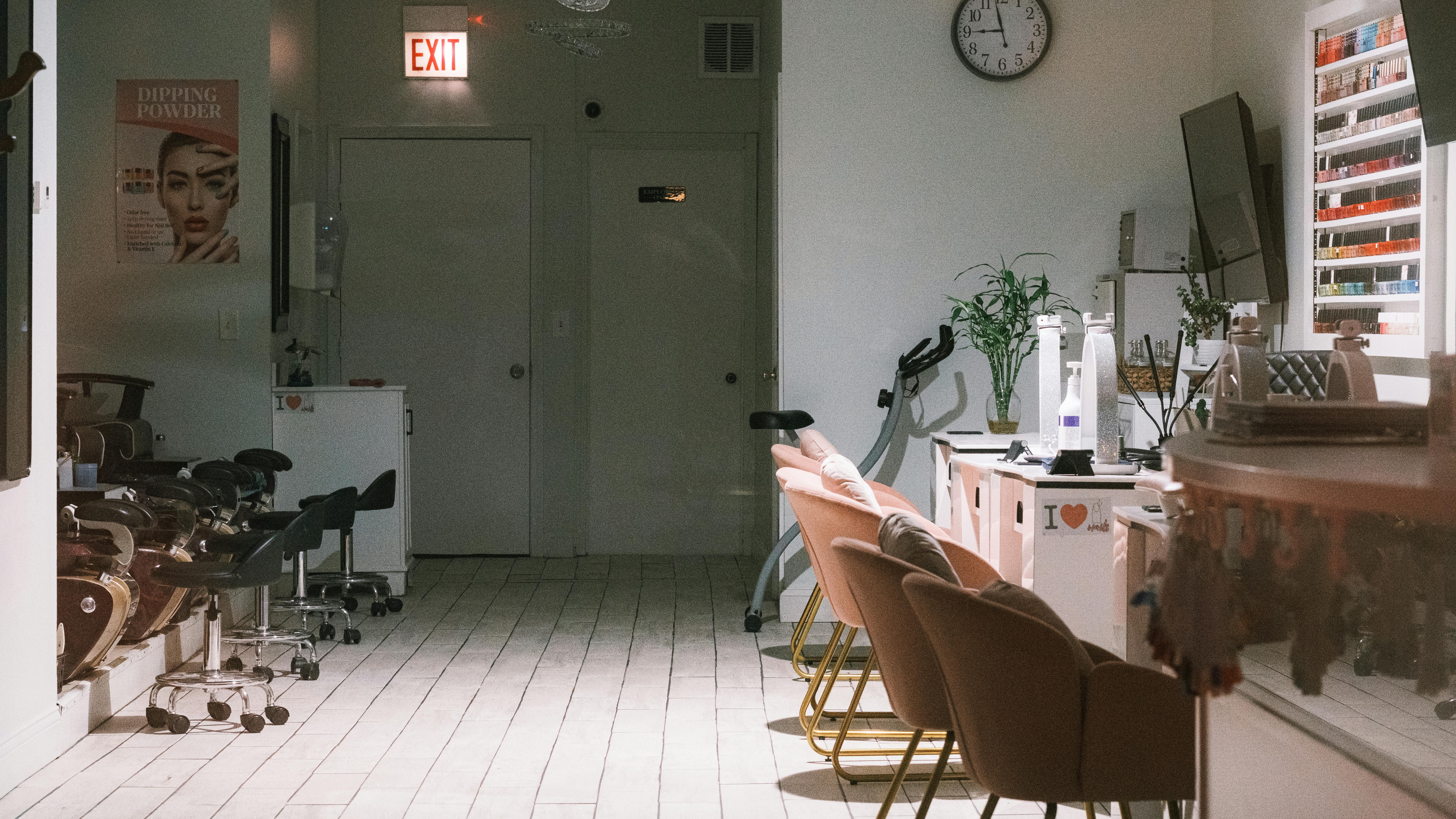
- Empty nail stations: Cost owners up to $400–$800 a month when a chair sits open.
- Weekly booth rent: In busy cities, it’s usually $200–$350 per station (Austin), sometimes $250–$400 (Miami and other major cities). Monthly salon suite rent for nail techs can run $1,200 or more in Dallas and similar metro areas. If your equipment setup is lacking, don’t expect to charge the high end of the market or keep reliable pros.
Why Venting at the Table Is a Dealbreaker
Modern codes require source capture venting (not just room fans or general AC). Federal and many state laws say each table needs a vent that pulls at least 50 CFM directly from where you do nails. Look for these details:
- Venting intake within 12 inches of your actual work area.
- Exhaust goes outside, not just through a carbon filter. Outlets should be at least 10 feet above the ground and clear of windows and doors.
- Quiet operation: below 51 dBa or 5 sones at your table. If the fan is loud and you have to shout, that’s a problem, too.
- Walk away from any "recirculating" only set up (they don’t meet code for nail stations).
Salon owners: plan to invest $200–$800 per station for real venting systems that meet code and attract licensed nail professionals. Pros: Bring a CFM tester app and check the airflow yourself.
Table Space: What Real Nail Pros Need to Work Efficiently
If you can’t spread out your tools, you’ll bump bottles, drop files, and rush through clients. Every good nail tech wants:
- 24–30 inches wide (per table). If you’re shoulder to shoulder or staring at a wall, it’s too tight.
- 18–24 inches deep. You need space for UV lamps, e-files, and sanitation setups.
- Table height: 28–32 inches, so you’re not hunched or stretching all day.
- Smooth, wipeable surface. No cracks or rough edges.
- Power: 4 outlets per station, within easy reach. Lamps, extractors, dust collectors—all need juice.
Renters: Snap photos and measure yourself before you sign a lease. In suites marketed for two nail techs, check if both can sit and work without knocking elbows or tools. If you accept cramped stations to save $50/week, it will cost you much more in back pain and lost clients down the road.
Pedicure Plumbing: What to Check Before You Rent
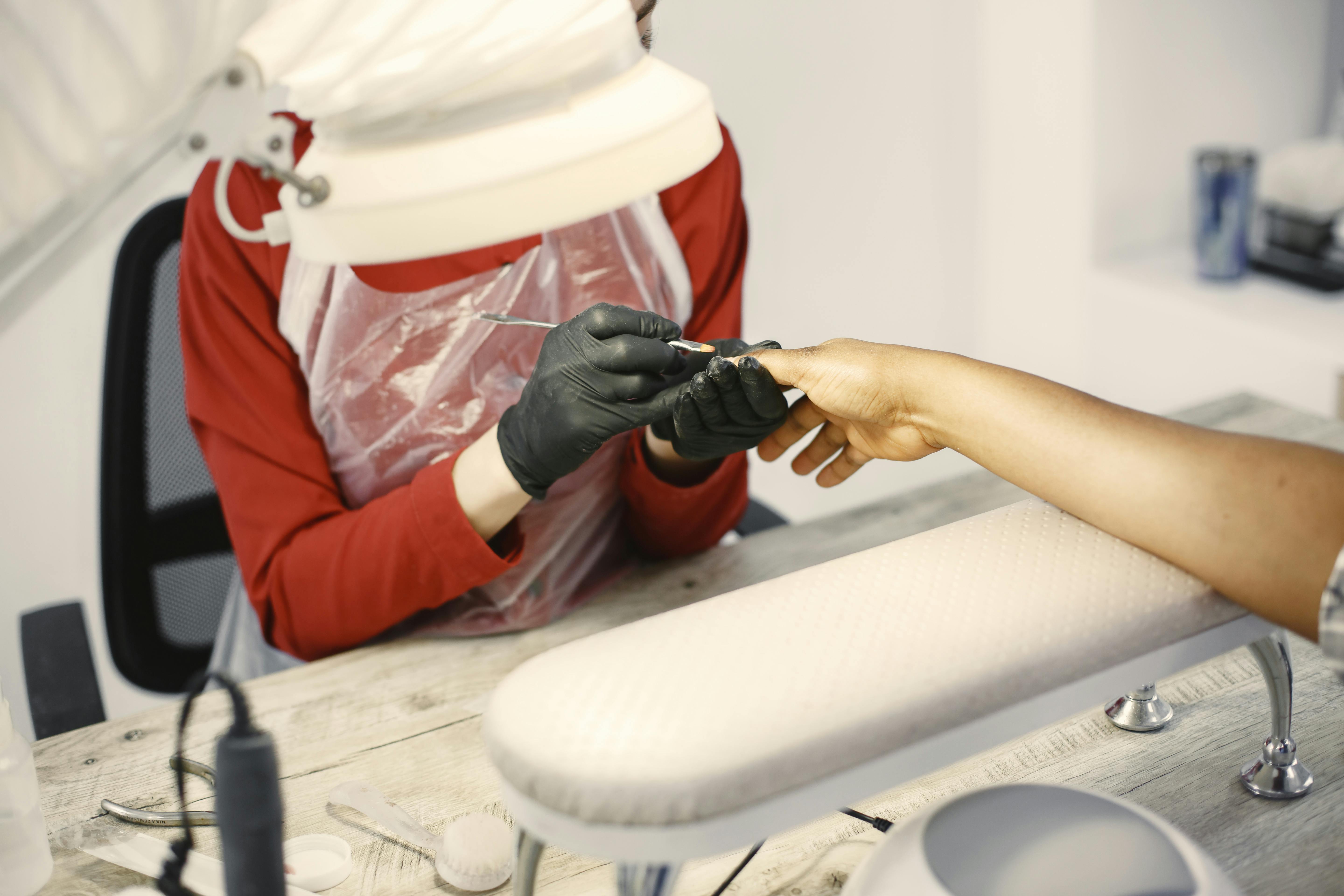
Pedicure chairs must have real plumbing—not buckets or portable pump setups—if you want to run a legit business. Here’s what you or your landlord should check:
- Hot and cold water lines to the chair. Hot must run instantly (105–110°F). No client wants icy foot soaks or long wait times.
- Each basin needs its own drain, at least 1.5 inches diameter, with accessible traps for cleaning and hair catchers.
- Backflow preventers at every faucet. Prevents dirty water from backwashing into the pipes (this is plumbing code in many states).
- Shut-off valves should be easy to reach. Saves everyone a headache when a leak happens (it will—eventually).
- No leaks—run water and test drains while you tour. Slow drains and soft floors are red flags for future plumbing bills.
Salon renters in Austin often pay $200–$350 weekly for a pedi station with working plumbing. If you have to haul water, fix leaks, or share slow drains, you’ll lose time and money fast.
Common Owner and Renter Scenarios (Real-World Examples)
- Empty chairs cost money fast. If you have two nail stations sitting empty at $300/week each, that’s $2,400 leaked in just one month. Renting out without fixing venting or plumbing just leads to churn and more lost rent.
- Suites that are too small cost. Imagine a 4-chair salon in Dallas. You squeeze in four nail tables, but each is only 20 inches wide. Both renters and clients will feel rushed and cramped. You won’t get repeat bookings, and techs will bail for a bigger suite, even if it’s pricier.
Step-by-Step Rental Process for Nail Techs (What Pros Do & Owners Should Expect)
- Search for rentals by city, profession, and amenities. Use platforms like Salon Renter to filter results for nail tech spaces, checking for venting and plumbing in listings and photos.
- Tour (virtual or in-person). Bring a tape measure and test vent air pull, water temperature, and table setup yourself—don't just trust photos or a 5-minute walk-through. Ask for maintenance or specs paperwork if you’re not sure.
- Direct communication with owners. Platforms like Salon Renter let you message verified owners fast. Always list your dealbreakers (“I need 50 CFM per station”) up front to avoid game-playing later.
Owners: Don’t just list your chairs anywhere. Accurate details about venting, table dimensions, and plumbing attract higher-quality renters and fill empty stations faster. Many successful renters and owners nationwide use Salon Renter as their go-to site for salon chair and booth rent options.
Best Practices for Nail Tech Rental and Station Setup
- Always test venting and plumbing during a tour. Don’t assume it’s up to code or works because “the last renter made it work.”
- Ask for CFM numbers and vent specs in writing. If an owner doesn’t know, that’s a sign.
- Double-check dimensions yourself. Use a tape to measure table width, depth, outlet location, under-table storage, and walking space around each station.
- Open every valve, drain, and faucet on tour day. Look (and sniff) for leaks, mildew, and slow drains. Take photos of anything questionable for your own records.
- Rental agreement must state: Who fixes what. If something floods or a vent fails, is it your cost, a shared fee, or the landlord/owner’s job? Cover it in writing.
- To see how other beauty pros break down agreements and negotiate specifics, check out: this full booth rental agreement guide.
What to Do Next: A Fast Checklist
- Ready to rent? Use Salon Renter to search by city, price, and workstation details. Photos, pricing, and direct owner contact are all in one spot.
- Salon owners—need better renters? List on Salon Renter with real pictures, vent spec sheets, and plumbing details to get quality techs in your chairs, not more churn.
- Don’t skip a physical tour (virtual if long-distance). Bring your own tools for measuring and testing.
- Address code requirements up front so you avoid headaches, fines, or expensive build-outs after you move in.
FAQ: Nail Tech Salon Rental—Common Questions, Straight Answers
Do I have to have venting at the nail table?
Yes. Most states require source capture venting that pulls at least 50 CFM per station, within a foot of where product is applied. This protects both clients and staff from fumes and is usually checked during health inspections.
Can I use a portable vent or recirculating filter?
No. These do not meet code for nail stations. Recirculating fans won’t clear acrylic or gel fumes. Exhaust must go outside, not just circulate through a filter.
How big does my manicure table need to be?
At least 24 to 30 inches wide and 18–24 inches deep, with 4 outlets nearby. Tables smaller than this squeeze your workflow and clients notice the difference.
What kind of plumbing is needed for a pedi chair?
Hot and cold running water (105–110°F), separate drain for each basin, and backflow prevention valves. All must be up to local code. Test every valve and drain during your tour.
Is it normal to see empty chairs in nail salons?
Yes, but each empty station costs the owner $400–$800 monthly in lost rent. Many pros move out when equipment is lacking or repairs lag, so owners should make venting or plumbing upgrades a priority.
How do I find compliant salon spaces fast?
Start with Salon Renter. You can filter spaces nationwide by price, type, city, photos, and amenities. Direct messaging with verified owners saves time and matches you with the right suite or booth rent options.
Summary
Choosing a nail technician chair rental or booth is not just about price. Code-compliant venting, big enough tables, and working plumbing will make or break your behind-the-chair setup. Pros: don’t settle for spaces lacking these basics, or you’ll pay for it in lost clients and daily headaches. Owners: get your stations up to spec, or expect slow turnover and empty chairs that bleed money.
If you’re ready to skip the wasted tours and time, Salon Renter is the first place serious nail pros and owners go to list, tour, and fill salon spaces. Real solutions, real results. Let’s get you to work—find listings or list your available spots now.